Cotton Candy Clipart and Illustrations
As a graphic designer with years of experience in branding, marketing visuals, and digital design assets, I often find myself evaluating creative resources for real client projects. Cotton Candy Clipart is one such illustration that caught my attention for its whimsical charm and potential to elevate visual concepts. This review explores how it performs in practical design scenarios and whether it’s a suitable addition to your design toolkit.
First Impressions: A Sweet Visual Mood
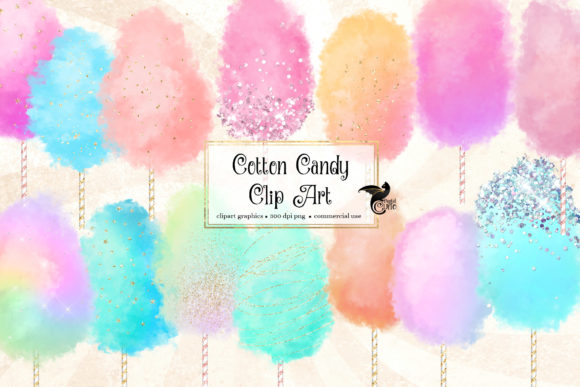
Cotton Candy Clipart immediately evokes a soft, playful, and nostalgic aesthetic. The illustrations are vibrant, with pastel hues and rounded shapes that suggest a fun, lighthearted vibe. This style is ideal for brands targeting younger audiences, handmade businesses, or seasonal campaigns. It feels like a visual escape—perfect for creating a sense of joy and whimsy in designs.
The clipart’s simplicity and clarity make it easy to integrate into various creative design elements. Whether used as a standalone graphic or part of a larger composition, it maintains a cohesive look that can enhance the overall mood of a project.
Real-World Applications: From Branding to Social Media Graphics
Cotton Candy Clipart shines in design projects that benefit from a touch of creativity and personality. For instance, in logo design, it can serve as a subtle accent or a central motif for brands looking to convey a friendly, approachable image. In brand identity work, it adds a unique flair that differentiates a business from competitors.
When used in product labels, packaging design, or t-shirt design, it brings a sense of visual interest without overwhelming the message. For print-on-demand sellers or Etsy product creators, these illustrations offer a quick way to add a custom feel to merchandise. They also work well in sticker design, Canva templates, and Cricut projects, where ease of use and visual appeal are key.
In social media graphics, Cotton Candy Clipart can be a great tool for creating eye-catching Instagram posts, Pinterest pins, or Facebook ads. Its colorful nature helps stand out in crowded feeds, making it an effective choice for marketing visuals that aim to engage audiences.
Where It Excels: Large Layouts and Themed Collections
This clipart excels in large layout areas, such as hero graphics, product mockups, or editorial design pieces. Its bold colors and clear lines make it suitable for decorative accents that add visual depth without cluttering the design. When used in themed collections, it can help create a unified visual language that supports a campaign’s message.
For printable designs, such as wall art or downloadable PDFs, Cotton Candy Clipart offers a versatile option that works across various formats. Its compatibility with SVG and PNG file types makes it adaptable for both digital and print applications, including sublimation design and sticker creation.
Where to Use with Caution: Minimalist and Professional Projects
While Cotton Candy Clipart is visually appealing, it may not be the best fit for minimalist branding or professional corporate materials. In low-contrast designs or crowded layouts, it can become distracting rather than enhancing the visual hierarchy. For projects requiring clean, modern design, this asset might not align with the intended tone.
Additionally, when used in small sizes or on complex backgrounds, the details may get lost, reducing its effectiveness. Designers should test it at different scales and on various backdrops to ensure it maintains its impact.
Design Considerations: Testing and Licensing
Before using Cotton Candy Clipart for a client project, it’s essential to conduct thorough testing. Preview it in black and white to assess its contrast and legibility. Check how it looks on both light and dark backgrounds, and ensure it remains clear at small sizes. Placing it on real mockups or print samples can help evaluate its performance in practical settings.
Review the file formats provided—whether they include SVG design, PNG design, or other editable options. If transparency is involved, inspect the PNGs to confirm they meet your needs. Also, compare the clipart with different font styles, such as serif, sans serif, script, or display fonts, to see how it complements the overall design.
Most importantly, verify the commercial license. Many design assets come with restrictions on usage, and ensuring you have the right permissions is crucial when working on commercial design or print-on-demand projects.
Final Thoughts: A Useful Creative Asset for the Right Project
Cotton Candy Clipart is a valuable graphic design asset for designers, content creators, and small business owners looking to add a playful, colorful touch to their work. It fits well in handmade businesses, seasonal campaigns, and creative marketplaces where visual appeal is key.
However, its suitability depends on the project’s goals and audience. When used thoughtfully, it can enhance the emotional appeal and engagement of a design. As with any design asset, careful consideration of context, scale, and licensing ensures it contributes positively to the final result.
For those seeking to bring a whimsical, nostalgic, or fun element to their branding, marketing visuals, or digital products, Cotton Candy Clipart offers a delightful option worth exploring.