Hand-drawn Floral Wreath Illustrations
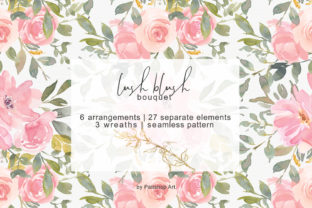
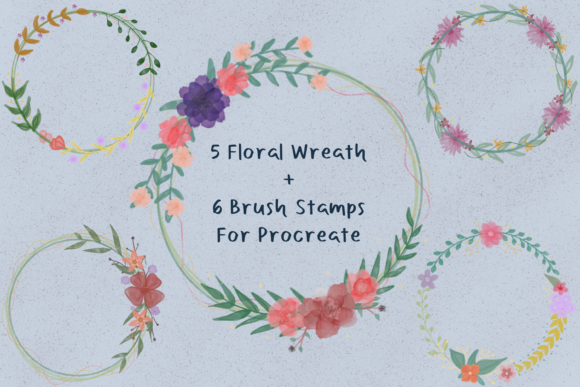
As a graphic designer with years of experience in branding, packaging, and digital design, I often seek out high-quality design assets that can elevate a project without overpowering it. The Hand-drawn Floral Wreath is one such asset that offers a unique blend of organic charm and visual sophistication. Its soft lines, delicate textures, and warm color palette make it ideal for projects that aim to evoke a sense of nature, nostalgia, or artisanal quality.
First Impressions: A Warm, Organic Visual Language
The Hand-drawn Floral Wreath immediately conveys a sense of handcrafted authenticity. Each petal and leaf appears as if drawn by an artist’s hand, giving the design a personal, human touch. This makes it perfect for small businesses, handmade brands, or seasonal campaigns looking to connect with audiences on an emotional level. The illustration feels natural, not overly stylized, which allows it to fit into a variety of creative design contexts without clashing.
It’s especially effective when paired with other illustrative elements, such as botanical motifs, vintage patterns, or rustic textures. The design works well in both light and dark environments, but its best performance comes when it’s used as a focal point rather than a background element.
Real-World Applications: From Brand Identity to Print-on-Demand
When working on a client project for a boutique skincare line, I considered using the Hand-drawn Floral Wreath as part of the brand identity. It added a subtle elegance to product labels, packaging inserts, and social media graphics. The wreath felt right for a brand that wanted to communicate purity, care, and natural ingredients.
This design asset also shines in printable design and Canva templates. It can be used as a decorative element in wedding invitations, greeting cards, or custom stickers. For a Cricut project, the Hand-drawn Floral Wreath provides a beautiful base for cut-out designs that can be applied to t-shirts, mugs, or tote bags. Its vector format (if available) allows for easy scaling and editing, making it a versatile tool in any designer’s toolkit.
In web design, the Hand-drawn Floral Wreath can serve as a hero graphic or a background element for blog posts, especially those related to lifestyle, wellness, or home decor. When used in editorial design, it adds a whimsical touch that complements written content about gardening, DIY crafts, or seasonal celebrations.
Where It Thrives: Large Layouts and Themed Campaigns
The Hand-drawn Floral Wreath excels in large layout areas where it can be the central visual element. It works particularly well in product mockups, such as those used for print-on-demand sellers or Etsy products. Its size and detail allow it to stand out without overwhelming the viewer.
For themed collections—like holiday promotions, springtime marketing, or floral-themed packaging—the wreath adds a cohesive and recognizable visual motif. It can be used as a repeating pattern or as a standalone icon that reinforces brand messaging.
It also performs well in commercial design, especially when used as a supporting brand element. Whether it’s part of a logo concept, a social media post, or a digital ad, the Hand-drawn Floral Wreath brings a sense of warmth and creativity that resonates with target audiences.
Where to Use With Caution: Minimalist and Corporate Projects
While the Hand-drawn Floral Wreath is a strong design asset, it may not be the best choice for every project. In minimalist branding or professional corporate materials, its organic style could clash with clean, modern aesthetics. Similarly, in low-contrast designs or crowded layouts, the wreath might become lost or visually distracting.
For projects that require a strict visual hierarchy, the Hand-drawn Floral Wreath should be used sparingly. It works best as an accent rather than a dominant element. If placed on complex backgrounds or in small sizes, it may lose its clarity and impact.
Design Considerations: Testing and Practical Tips
Before using the Hand-drawn Floral Wreath in a client project, I always recommend testing it in various scenarios. Start by viewing it in black and white to see how it holds up without color. Check contrast on both light and dark backgrounds to ensure visibility and readability.
Preview the design at different sizes to confirm that it remains legible and impactful. Place it on real mockups—such as product packaging or website layouts—to get a sense of how it will look in context. If it’s a PNG design, check the transparency to make sure it blends well with different backgrounds.
If the asset includes SVG or vector files, inspect its editability. This is crucial for clients who may want to customize the design for their specific needs. Compare it with different font styles—serif, sans serif, script, or display fonts—to see how it interacts with text elements.
Finally, always confirm the commercial license before using it for a client or business project. Ensure that the design bundle includes all necessary file formats and that it meets the requirements for your intended use, whether it’s for print, digital, or commercial purposes.
Conclusion: A Versatile Asset for Creative Projects
The Hand-drawn Floral Wreath is more than just a decorative illustration—it’s a functional design asset that can enhance a wide range of creative projects. From handmade businesses to print-on-demand sellers, it offers a way to add personality and visual interest without sacrificing professionalism.
Its natural aesthetic makes it ideal for projects that rely on emotional appeal, brand storytelling, or seasonal themes. While it may not suit every design direction, when used thoughtfully, it can elevate a project from good to great. As a designer, I find it to be a valuable addition to my library of graphic design assets, especially when the goal is to create something that feels authentic and inviting.