Little Owl Clipart and Illustrations
As a brand designer, I often seek out graphic design assets that can elevate a small business branding project without overwhelming it. Little Owl Clipart is one such asset that offers a versatile and charming visual language perfect for local business use. Its soft lines and whimsical style create a warm, approachable mood that aligns well with handmade businesses, boutique stores, and creative entrepreneurs looking to add personality to their product packaging or promotional material.
The Mood and Personality of Little Owl Clipart
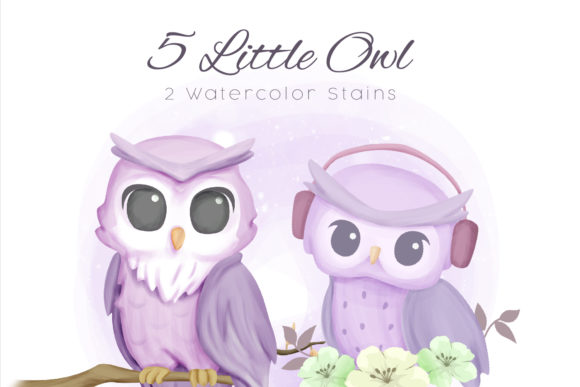
Little Owl Clipart exudes a friendly, organic feel that feels handcrafted rather than mass-produced. The illustration has a slightly rustic yet modern aesthetic, making it ideal for brands that want to convey authenticity and creativity. It’s not overly decorative, which allows it to blend seamlessly into various design contexts without competing with other elements.
This clipart works especially well for food businesses, skincare brands, and children’s products. Its gentle presence suggests care, quality, and attention to detail—key factors in building customer trust. Whether used on a coffee shop label or a handmade soap box, Little Owl Clipart adds a touch of charm that resonates with the target audience.
Real-World Applications for Small Business Branding
Little Owl Clipart can be applied across multiple design touchpoints. For example, when working on a bakery’s packaging design, this clipart could serve as a subtle accent on the product label or as part of a custom logo design. It also works well in social media graphics, where its clean lines make it easy to scale and adapt to different formats.
- Logo design: Use it as a secondary icon or as a base for a custom emblem.
- Product labels: Add a unique visual element to differentiate from competitors.
- Packaging design: Incorporate it as a background pattern or decorative border.
- Social media graphics: Create eye-catching visuals for posts, stories, or ads.
- Printable design: Use it for thank-you cards, stickers, or seasonal promotions.
Supporting Business Presentation and Visual Hierarchy
Incorporating Little Owl Clipart into a brand identity strategy can enhance a business’s overall presentation. Its soft, consistent style helps establish a stronger first impression, making it easier for customers to recognize and remember the brand. When used effectively, it contributes to a clearer visual hierarchy, ensuring that important information like product names, pricing, or call-to-action text remains prominent.
For a local business, this means more professional-looking packaging and marketing materials that stand out on the shelf or in digital spaces. It also fosters a stronger emotional connection with the audience, reinforcing the brand’s values and personality through consistent visual storytelling.
Where Little Owl Clipart Shines
This clipart excels in scenarios where a subtle, elegant touch is needed. It works best as a decorative brand element in product mockups, seasonal packaging, or social media campaign graphics. For a boutique store or a home decor shop, it can act as a recurring motif that ties together different design elements, creating a cohesive look across all touchpoints.
It also fits well into editorial design and web design projects, where its simplicity makes it easy to integrate into layouts without disrupting readability. In a Canva template or a digital product, it adds a personal, artistic flair that elevates the overall aesthetic.
When to Use It with Caution
While Little Owl Clipart is versatile, there are situations where it may not be the best choice. In formal corporate branding, its playful nature might clash with the desired tone. Similarly, on very small labels or crowded product packaging, it could become distracting rather than enhancing the design.
It’s also important to avoid using it in areas where legal information or ingredient lists are present, as it may reduce legibility. On low-contrast backgrounds, the clipart might not stand out as intended, so testing it in real-world conditions is essential.
Practical Designer Notes for Using Little Owl Clipart
Before finalizing any design, I always recommend testing the clipart on real packaging mockups. This helps determine how it looks in physical form and whether it meets the client’s expectations. Checking black and white usage is also important, as some illustrations may lose detail when converted to grayscale.
Previewing it on small labels ensures it remains visible and clear at reduced sizes. Testing it with brand colors helps maintain consistency across all materials. Comparing it with competitor packaging gives insight into how it stands out in the market.
Reviewing PNG transparency and inspecting SVG or vector editability ensures flexibility for future design changes. Testing it beside different font styles—serif, sans serif, script, handwritten, or display fonts—helps find the best typographic pairing. Finally, confirming commercial licensing is crucial before using it for client work or physical product sales.
Final Thoughts on Little Owl Clipart
Little Owl Clipart is a valuable addition to any brand designer’s toolkit, especially for small business branding, product packaging, and promotional visuals. Its friendly, adaptable style makes it suitable for a wide range of industries, from food and beauty to home goods and children’s products.
By integrating this clipart thoughtfully, local businesses can create a more polished, engaging brand experience that resonates with their audience. Whether used in a digital product, a print design, or a social media campaign, it adds a touch of character that enhances the overall visual appeal and professionalism of the brand.