Wheelchair Clipart Disability Illustrations
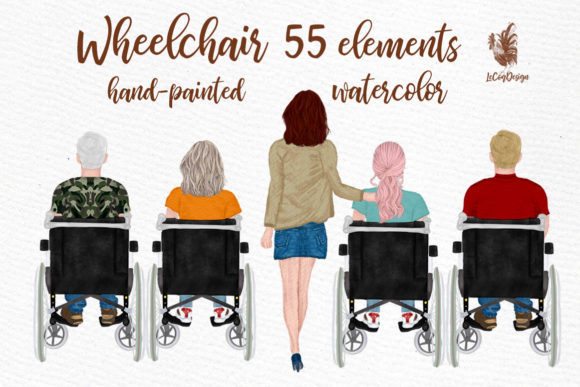
As a brand designer and content marketer, I’ve seen countless graphic design assets come and go. But Wheelchair Clipart Disability stands out for its thoughtful approach to representation and visual clarity. This illustration is more than just a clipart—it’s a powerful tool for brands looking to communicate inclusivity and awareness in their marketing visuals.
First Impressions: A Thoughtful Visual Statement
Wheelchair Clipart Disability immediately conveys a sense of empathy and accessibility. The clean lines and simple composition make it versatile enough for both casual and professional use. Whether you’re designing social media graphics or creating editorial content, this illustration brings a tone of sincerity and respect that resonates with audiences.
The mood it creates is subtle but impactful. It doesn’t shout, but it speaks clearly. This makes it ideal for campaigns focused on community, support, or awareness. It works well in lifestyle content, event promotions, and even commercial marketing materials where the goal is to connect emotionally with the audience.
Real-World Use in Branding and Marketing
Wheelchair Clipart Disability shines in a variety of real-world scenarios. For small business branding, it can be used as a subtle accent in packaging design or product labels. When paired with a strong brand color palette, it adds a touch of professionalism without overwhelming the overall look.
In digital ads and social media graphics, this illustration helps establish a clear visual hierarchy. It draws attention without competing with text or other design elements. For content creators, it’s a great addition to Canva templates, blog graphics, and email banners that aim to convey a message of inclusion and awareness.
For editorial design, it can serve as a powerful visual anchor in articles about disability rights, accessibility, or community initiatives. In web design, it can be used as a header or background element to reinforce a brand’s commitment to diversity and representation.
Supporting Marketing Goals with Purpose
When integrated thoughtfully, Wheelchair Clipart Disability can strengthen a brand’s first impression. It signals that the brand values inclusivity and is mindful of its audience’s needs. This builds stronger audience trust and creates an emotional connection that drives engagement.
It also enhances visual consistency across different platforms. Whether it’s used in print or digital formats, the illustration maintains a cohesive look that aligns with the brand’s identity. This is especially important for content marketing efforts that rely on a unified visual language to build recognition and loyalty.
For small business owners and creative entrepreneurs, this asset offers a way to elevate their marketing visuals without sacrificing clarity or professionalism. It’s a smart choice for anyone looking to create content that feels authentic and meaningful.
Best Uses: Where Wheelchair Clipart Disability Thrives
This illustration excels in hero graphics, campaign headers, and product launch visuals. It adds a layer of meaning to branded templates and social media covers, making them more engaging and purposeful. In content bundles and promotional banners, it serves as a strong visual cue that reinforces the message of the campaign.
It’s also effective in editorial layouts and decorative brand elements. When used as a subtle accent in packaging inserts or merchandise, it enhances the overall design while maintaining a professional appearance. For digital product visuals, it provides a polished and inclusive look that appeals to a wide range of users.
Where to Use with Caution: Avoiding Overuse and Misplacement
While Wheelchair Clipart Disability is a strong design asset, it should be used carefully in certain contexts. In formal corporate branding, it may not align with the brand’s tone or aesthetic. Similarly, in dense information layouts or small mobile graphics, it could become distracting or hard to read.
Low-contrast backgrounds may cause the illustration to blend in, reducing its impact. Overly minimal brands may find it too bold or complex. In text-heavy ads or designs where the main message must take precedence, it’s best to limit its placement or simplify the surrounding elements.
Practical Designer Notes: Testing and Integration
Before finalizing any design, test Wheelchair Clipart Disability with your brand’s color palette. Check how it looks in black and white and ensure it remains visible and meaningful. Place it inside real campaign mockups to see how it interacts with other elements.
Preview it on mobile screens to confirm readability at smaller sizes. Compare it against competitor visuals to ensure it stands out in a crowded market. Test how it pairs with different font styles—serif, sans serif, script, handwritten, or display fonts—to find the best match for your brand’s voice.
Review spacing and balance to avoid clutter. Confirm commercial licensing before using it in paid campaigns, client work, or business branding. These steps will help you integrate the asset seamlessly into your creative workflow.
Why Wheelchair Clipart Disability Matters for Content Creators
For content marketers and designers, Wheelchair Clipart Disability is more than just a graphic design asset—it’s a statement. It supports campaigns that aim to educate, inspire, and connect. Whether you’re building a content kit, designing Pinterest graphics, or preparing a digital campaign, this illustration adds value and purpose.
As part of a design bundle or SVG design, it offers flexibility and scalability. As a printable design or digital product, it can be repurposed across multiple platforms. Its presence in the creative marketplace reflects a growing demand for inclusive and meaningful visuals that resonate with modern audiences.
For small business branding, it’s a cost-effective way to add depth and authenticity to marketing materials. For digital sellers and online coaches, it’s a tool that enhances visual storytelling and strengthens brand messaging. Overall, Wheelchair Clipart Disability is a valuable addition to any designer’s toolkit.